
How to maximize a winter day in one of Washington State’s most beautiful parks (if you’re willing to drive a lot!)
I recently went to Seattle, Washington for a work trip. I actually grew up in the suburbs north of Seattle, but live in Washington, DC at the time of this writing, so I always appreciate an excuse to be surrounded by the other Washington’s lush trees and towering mountains.
I decided to extend my trip so I could spend more time in nature there, with the Olympic Peninsula as my base. This gave me one free day to see as much as I could in Olympic National Park!
The Scope For My Day: Driving and Weather
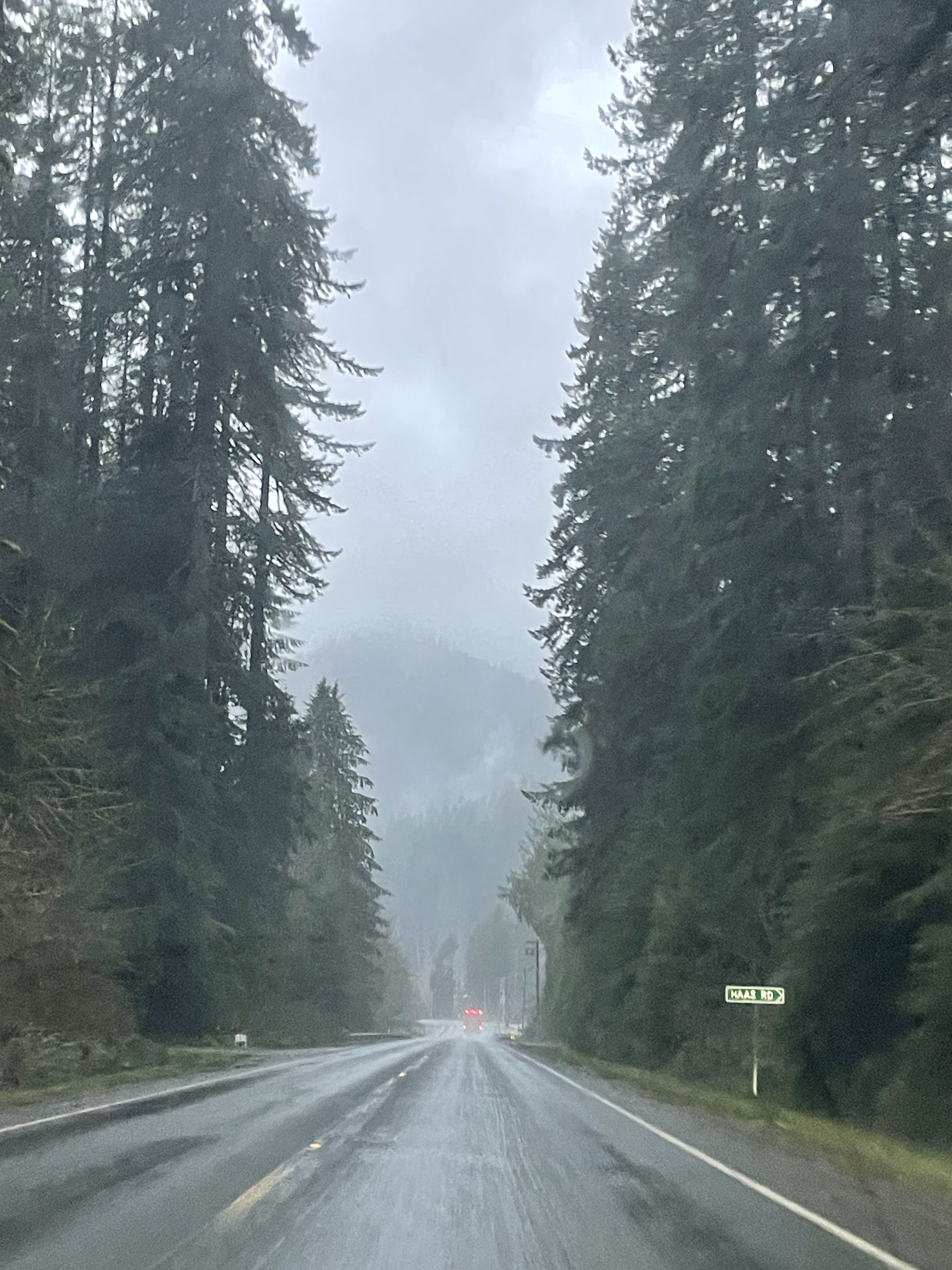
Olympic National Park is HUGE, and no roads cut directly through the park. Instead, you have to circumnavigate it, and pick certain shorter in-roads, depending on the parts of the park you want to see.
My visit was in February, so I knew I’d need to limit my sightseeing to areas in the park that are safe to explore by myself in winter. This meant avoiding high elevations, and instead enjoying the coast, with one inland excursion to a very special valley (more on that below!).
Driving
I also went into this day knowing I would be doing a TON of driving. My lodging was on the Hood Canal, which meant I was roughly 3 hours from the peninsula’s Pacific Coast. To me, this was worth the the significant driving time and effort, but it wouldn’t be for everyone, and that’s okay.
Weather
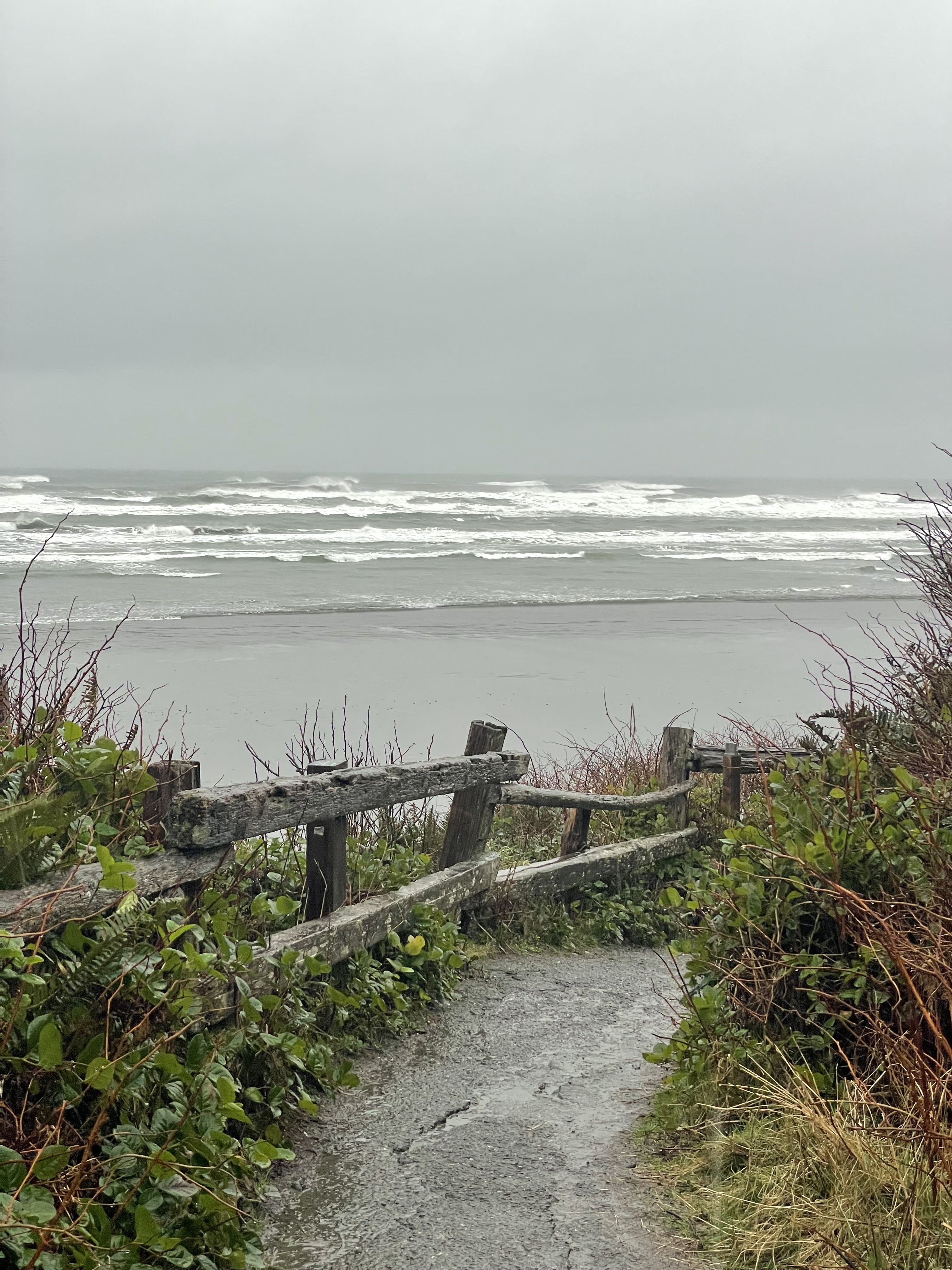
The other factor I considered in planning my day was weather. Naturally, during the work part of my trip in Seattle, the state enjoyed unseasonably gorgeous sunshine and warmth, which dissipated by Saturday, transforming into a more typical day of pouring rain. I had to decide: am I still ready to visit the ocean and hike in a mountain valley when the sky is dumping buckets on me?
With my limited time to explore, and how much I yearn for Washington State’s nature when I’m away, the answer for me was yes. But not everyone would enjoy such a soggy adventure, and that’s entirely okay!
My First Stop: The Tree of Life
With those decisions out of the way, it was time for my adventure in Olympic National Park to begin. I started my day very early, departing Hood Canal by 6am, and driving for 3 hours in the rain (and mostly in the dark) all the way to the ocean.
Pitstop at Kalaloch Lodge
One of the first park structures you encounter after turning onto the coastal 101 highway is Kalaloch Lodge and Kalaloch Beach – a great place to use the restroom and grab a snack or a coffee if you need it.
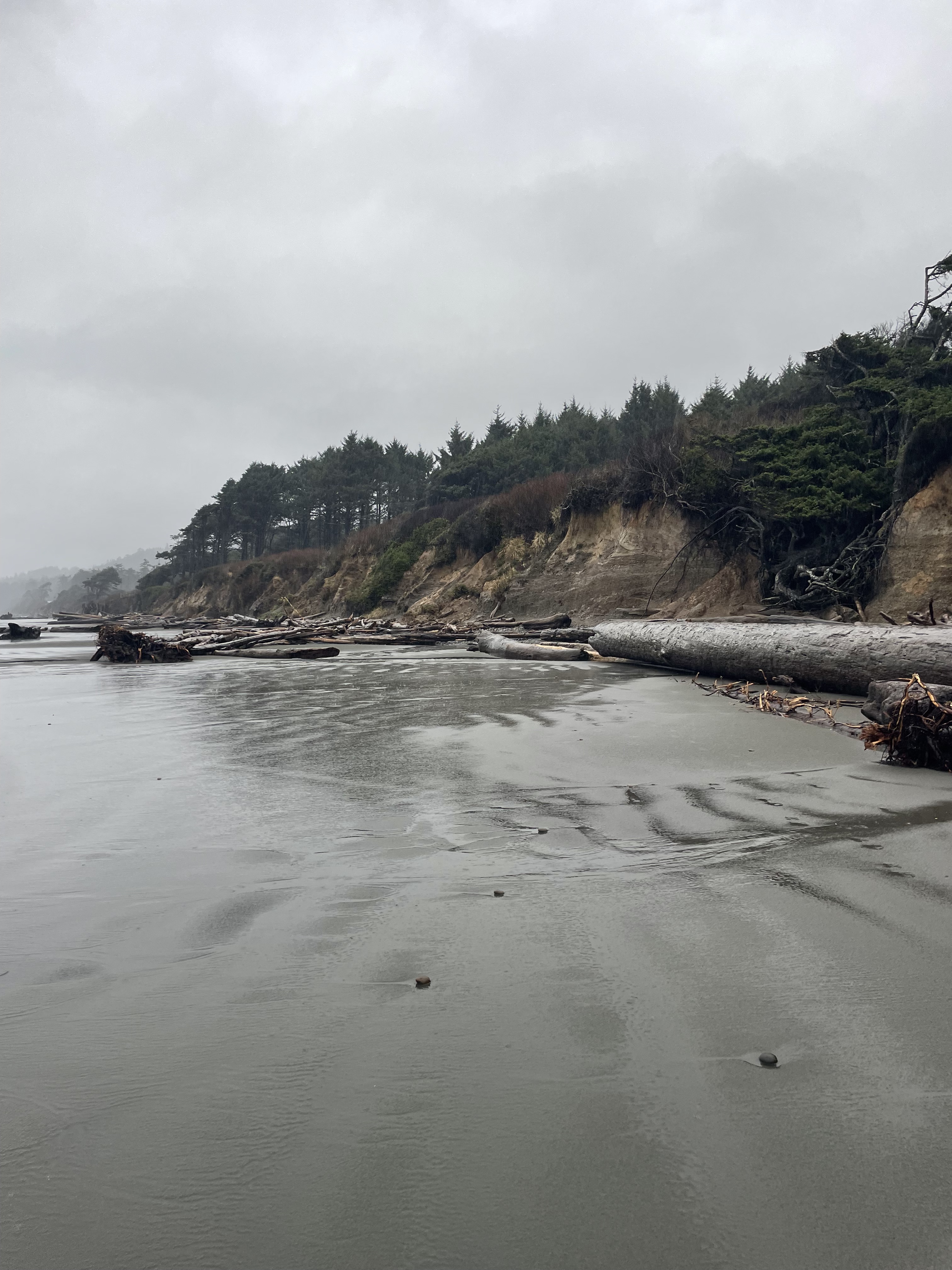
After a short pitstop there, I came to my first destination: the Tree of Life. This tree is not an official National Park attraction, but it is a very popular (and impermanent!) sight to see.
Story of the “Tree of Life”
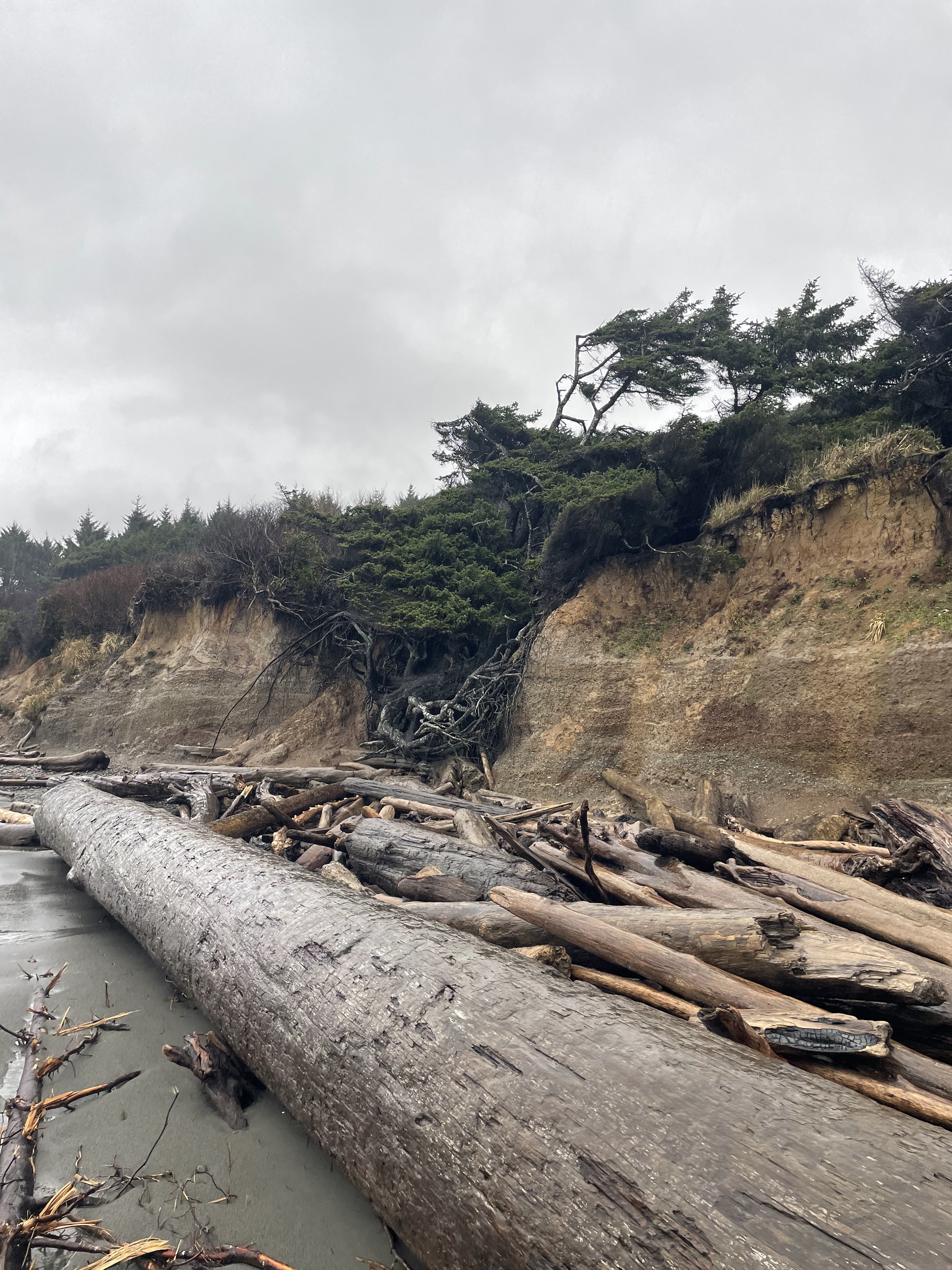
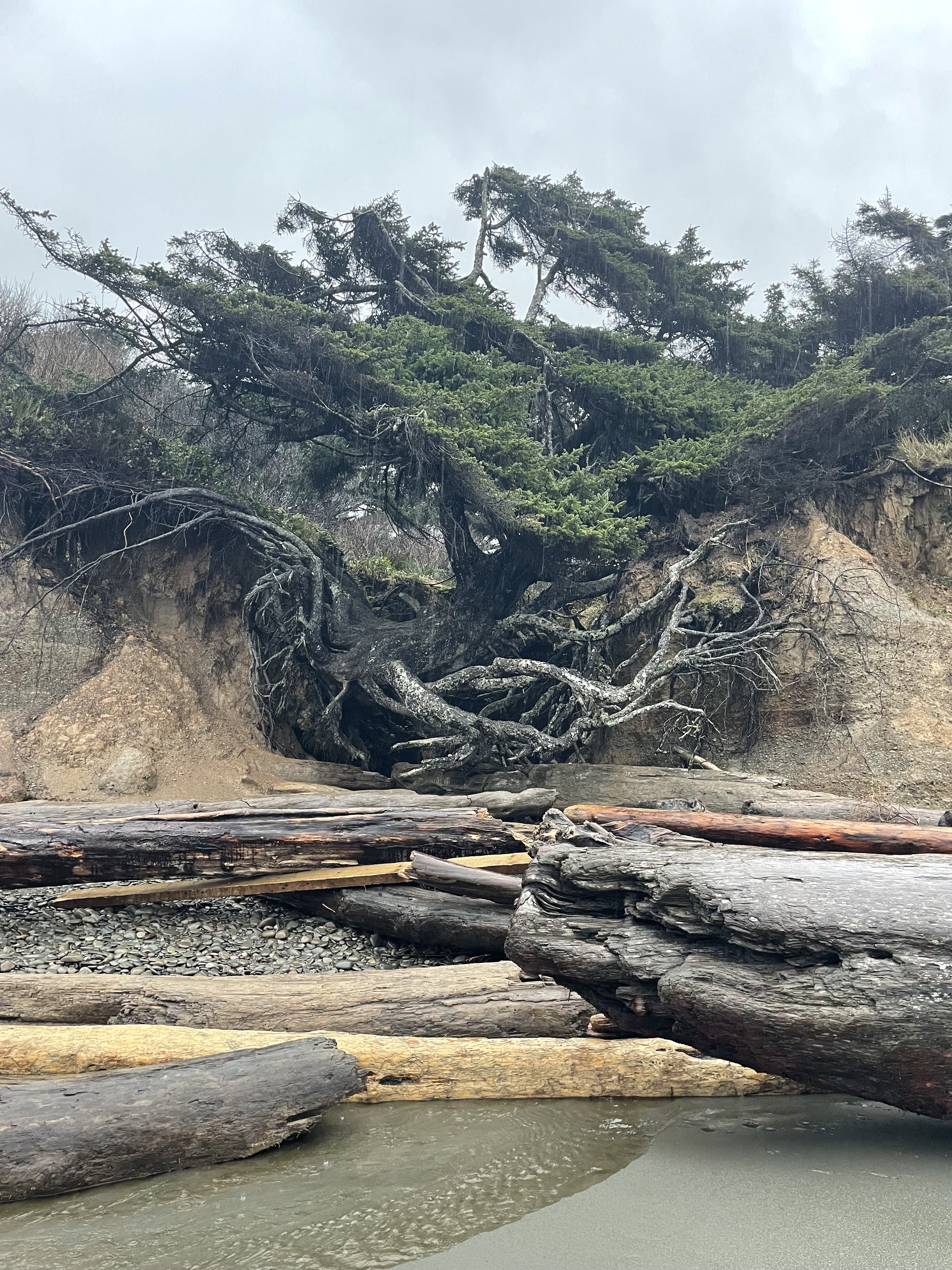
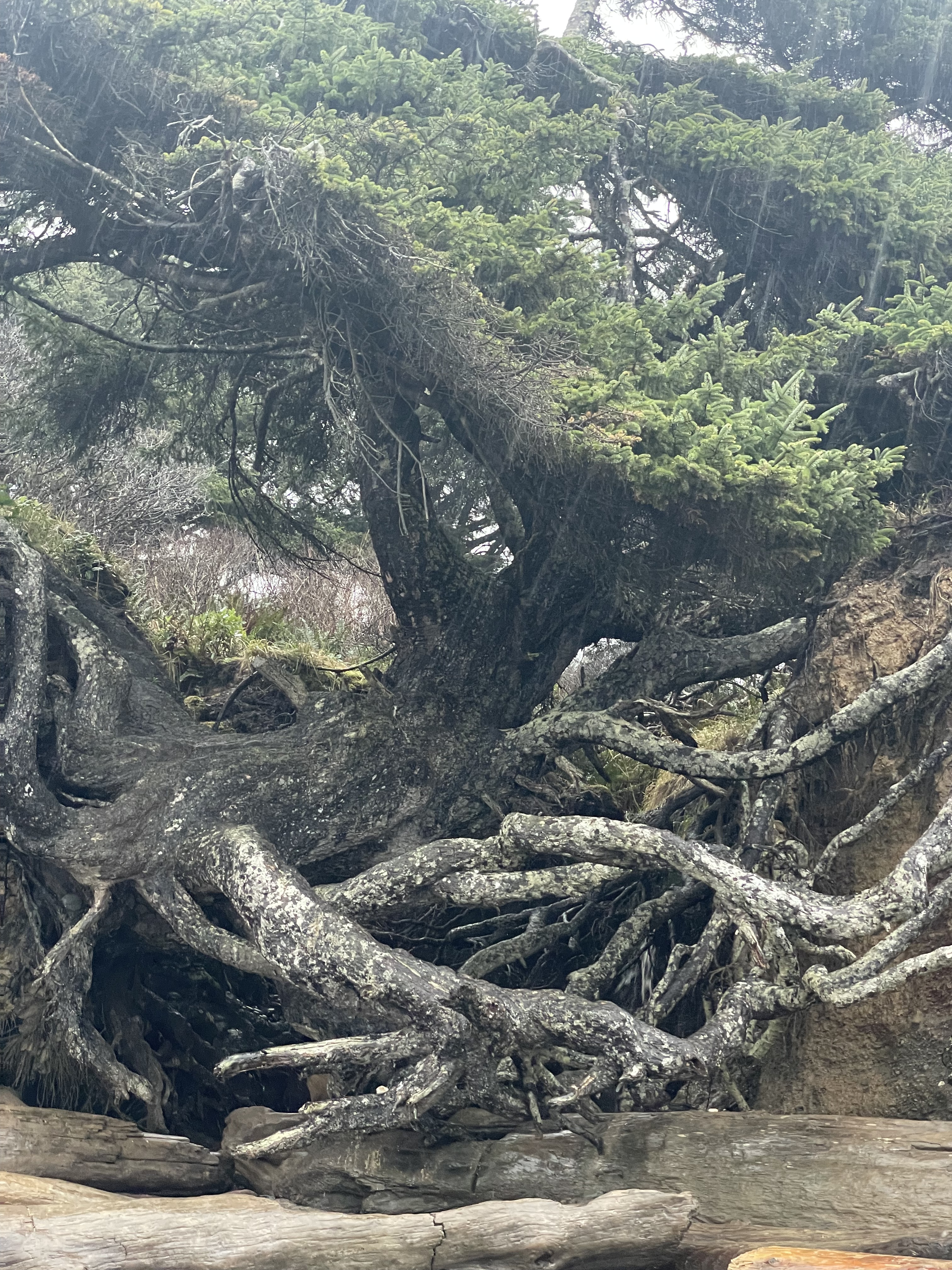
This tree, which is a sitka spruce that once towered high and straight like others of its species, but now slumps low like a giant bonsai, with its roots exposed, is so popular because of the way it appears to cling onto life despite its adverse conditions.
The soil it clings to and from which it derives nutrients is very quickly eroding away, and someday, either from a high tide, storm, or other force, it will eventually let go and pass on.
It might look like this coastal bluff is eroding due to natural causes, but this is not the case. Years ago, a culvert was installed to redirect rain water away from a nearby campground, routing that water directly under the bluff on which this tree lives. The influx of water has eroded the bluff’s soil much faster than nature might do so, resulting in the rapid deterioration of this tree’s habitat.
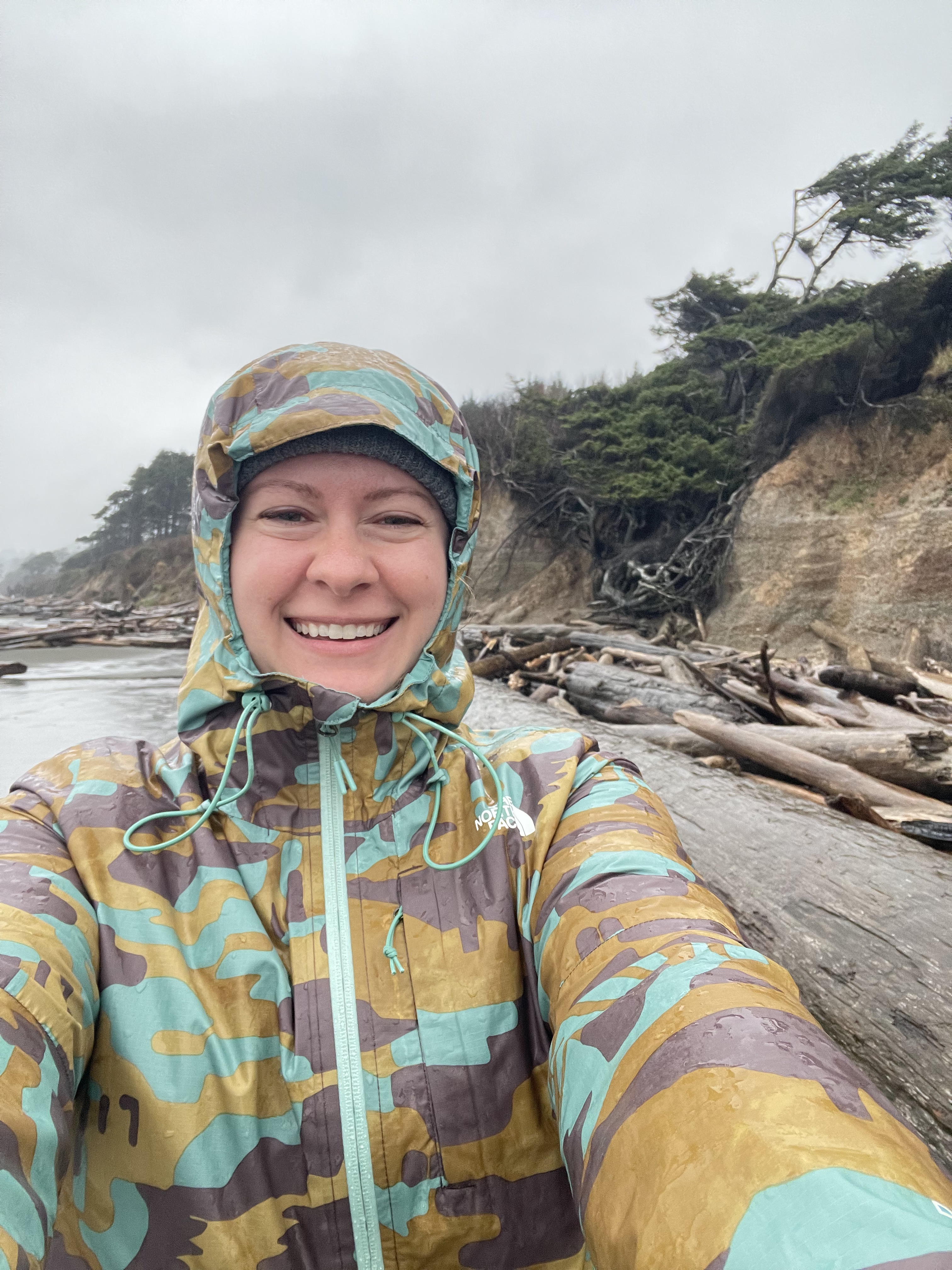
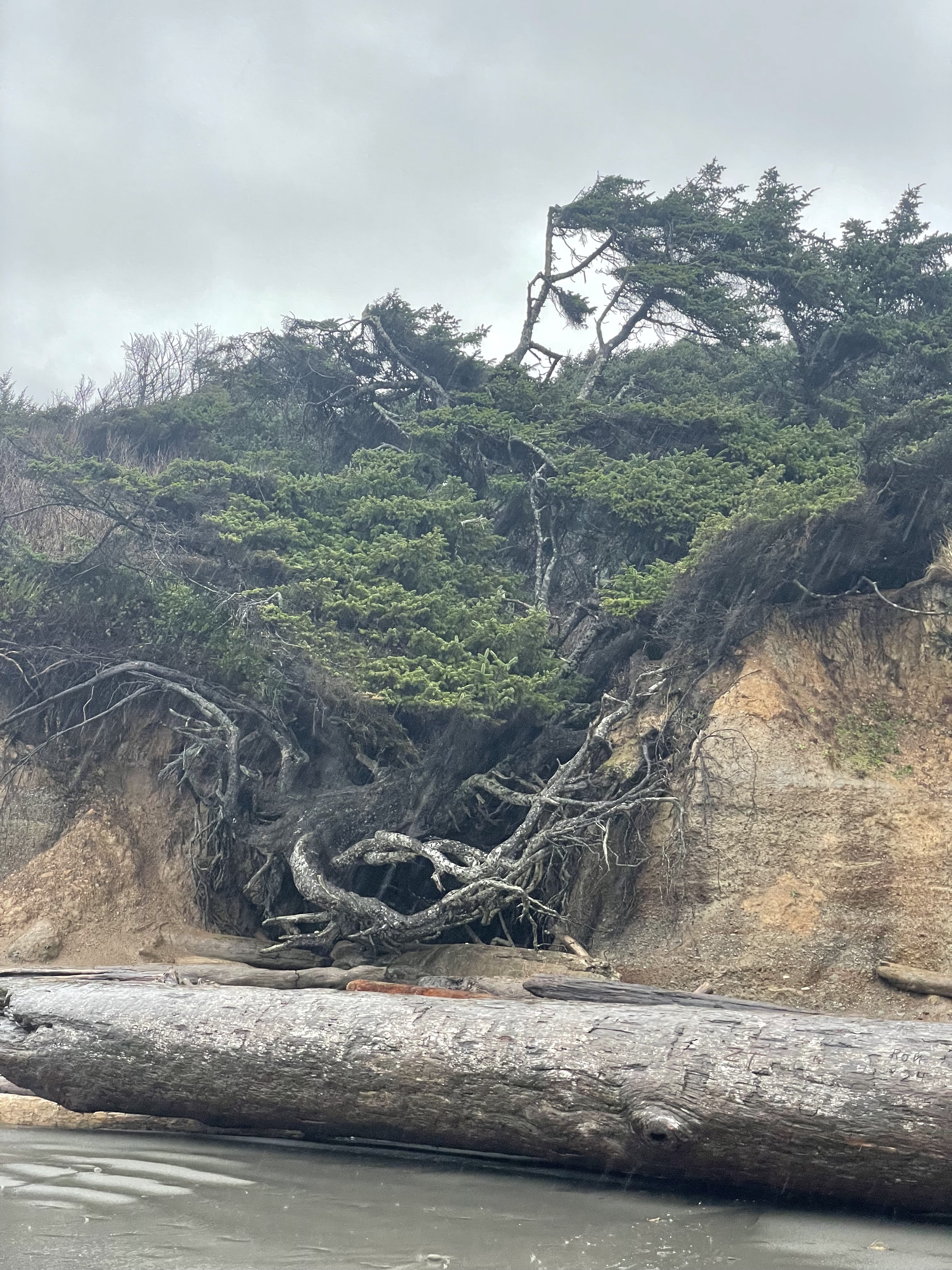
Given the seemingly fleeting future of the tree and it’s ability to cling onto life, it has been dubbed by visitors as the “Tree of Life.”
As a tree enthusiast myself, I had to see it in person before it washes away some day. Even in the pouring rain, her strength and perseverance was beautiful.
Next Stop: Ruby Beach
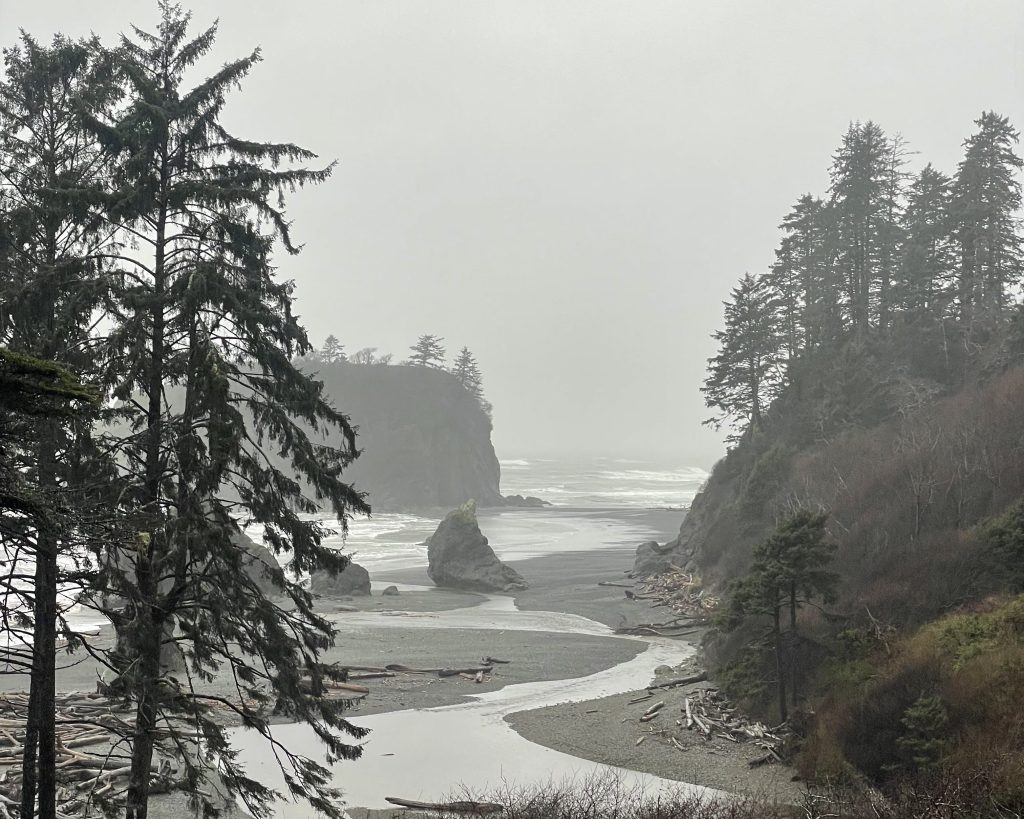
About a mile north of the Tree of Life on Highway 101 lies Ruby Beach, a stunning access point to the Pacific Ocean, punctuated by cliffs and rocks with caves and arches and myriad tall trees to enjoy.
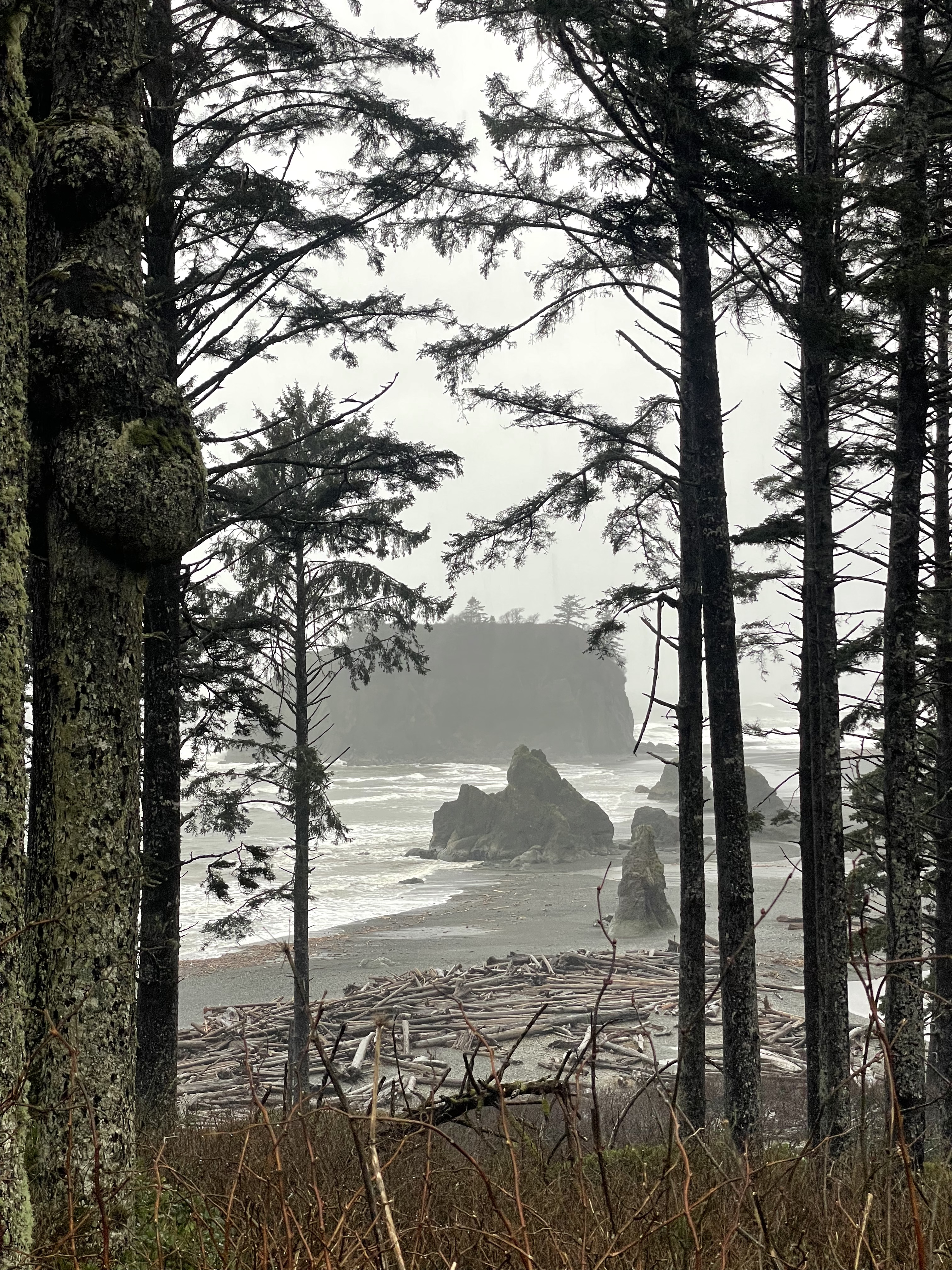
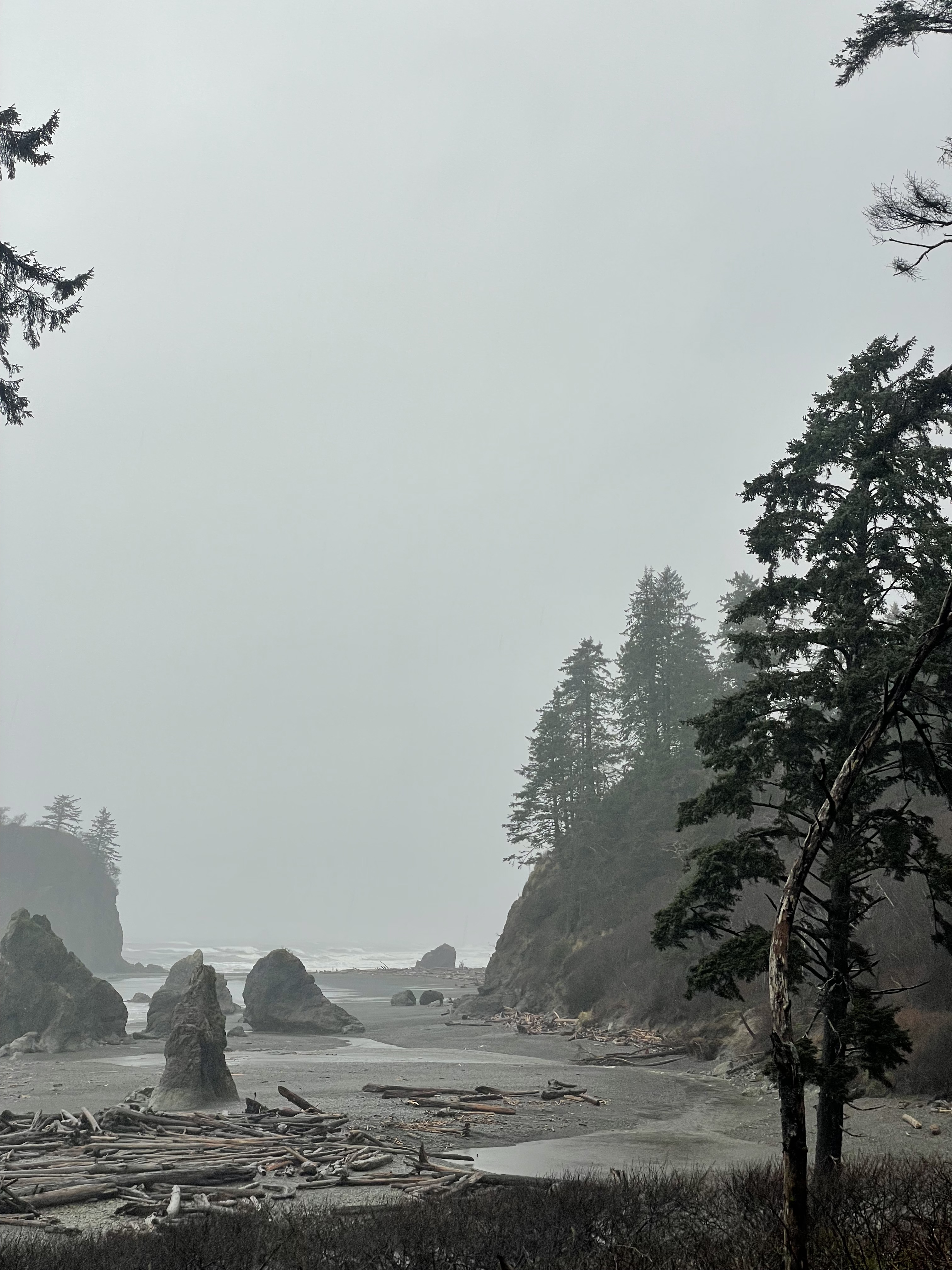
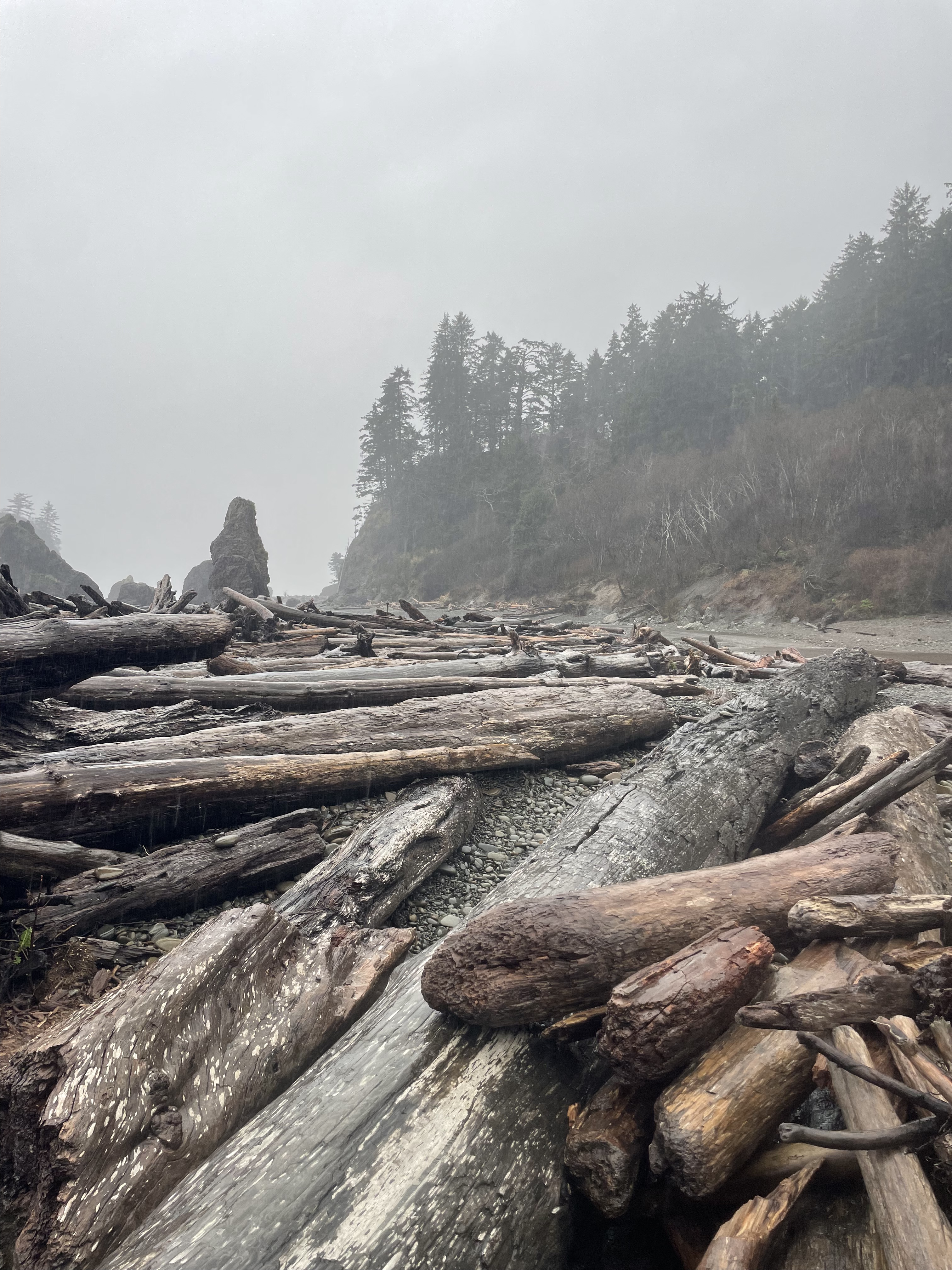
The views are spectacular, even when the sky is wet and grey. I know that in summertime, or on any sunny day, this is an excellent beach for rock and tidepool exploration, as well as relaxation.
I made a quick (read: 30 minutes) stop here to walk out to the beach and enjoy the powerful wave sounds, but I didn’t linger, because 1) the rain and wind were pretty aggressive by this point and 2) I wanted to make sure I had plenty of time to linger at my next and last stop, and the crown jewel of my day in Olympic National Park.
Final Stop: The Hoh Rainforest
Back in my rental car and sopping wet, I began to head inland up through the park’s beautiful Hoh River valley. My destination: the iconic Hoh Rainforest, renowned for its thick mosses, old growth trees, and peaceful quiet.
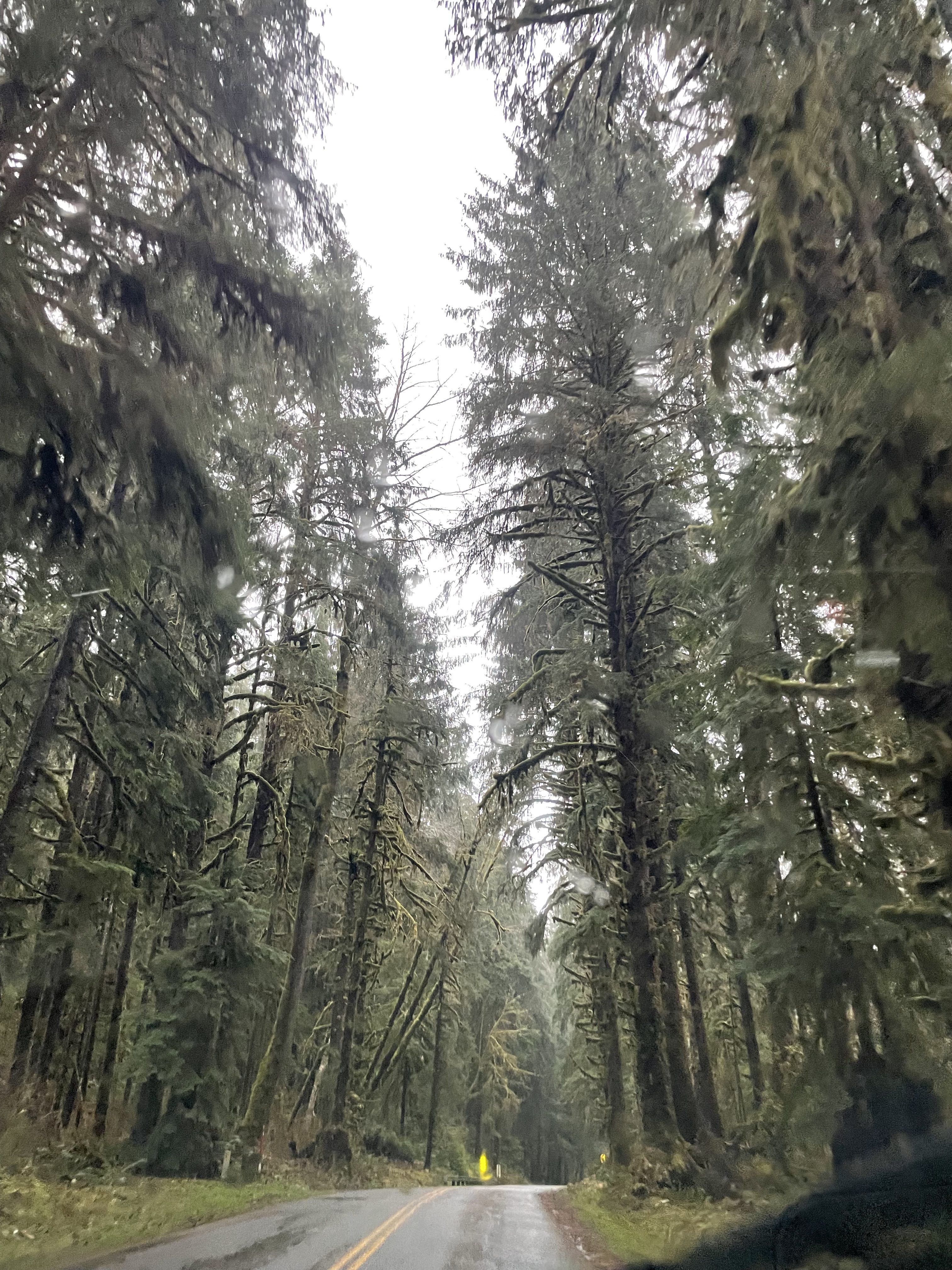
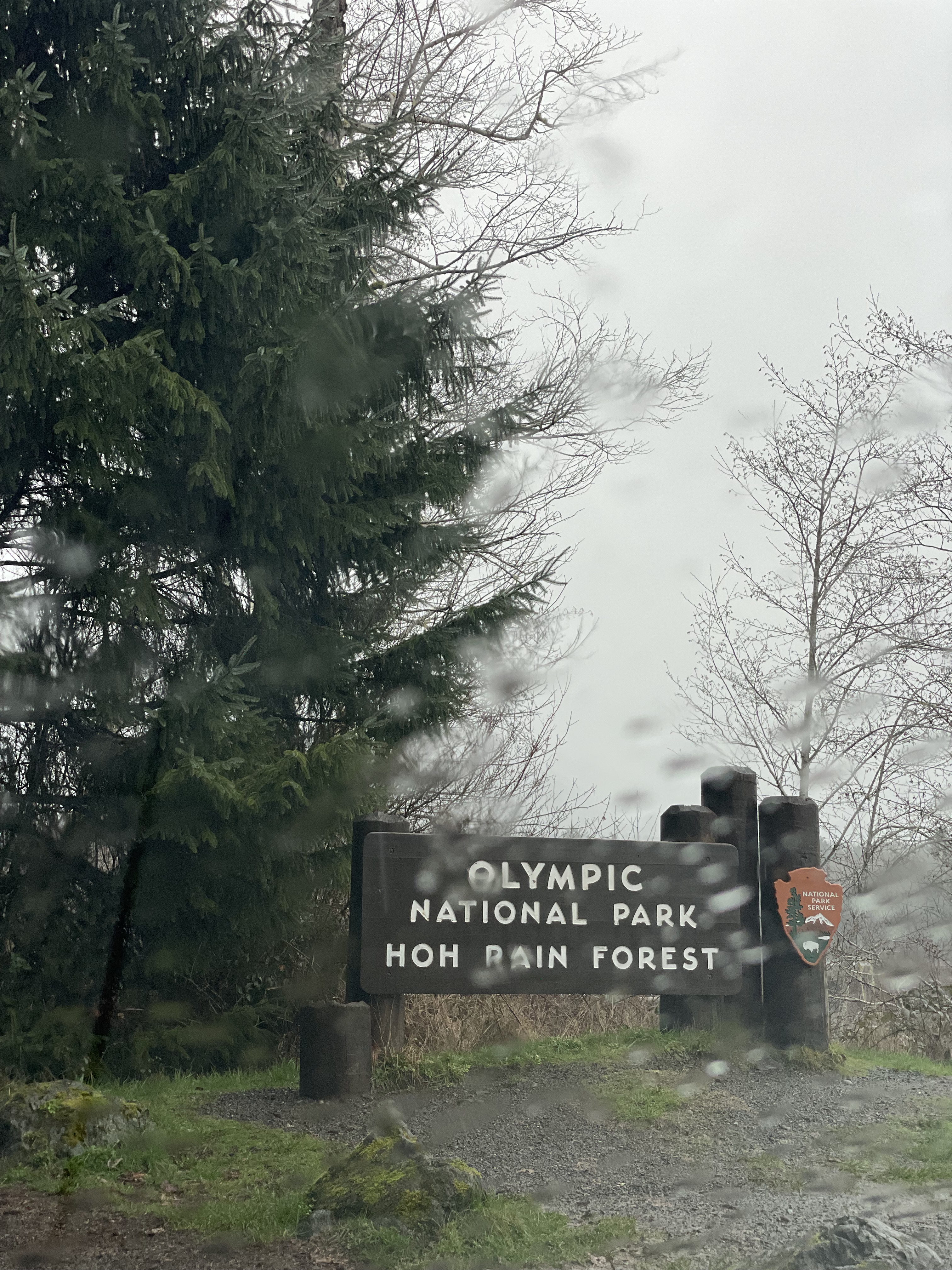
The road followed the river up into the Olympic foothills, and at every turn the views alternated between stunning, glowing, dripping green forest and the magnificent, powerful, rushing river.
Hoh Visitor Center
I was happy to be the only car around for a while so I could slow down and really appreciate my surroundings. That said, I was not the only person who braved the rain that day. The most people I saw throughout my entire adventure were concentrated in the Hoh Rainforest.
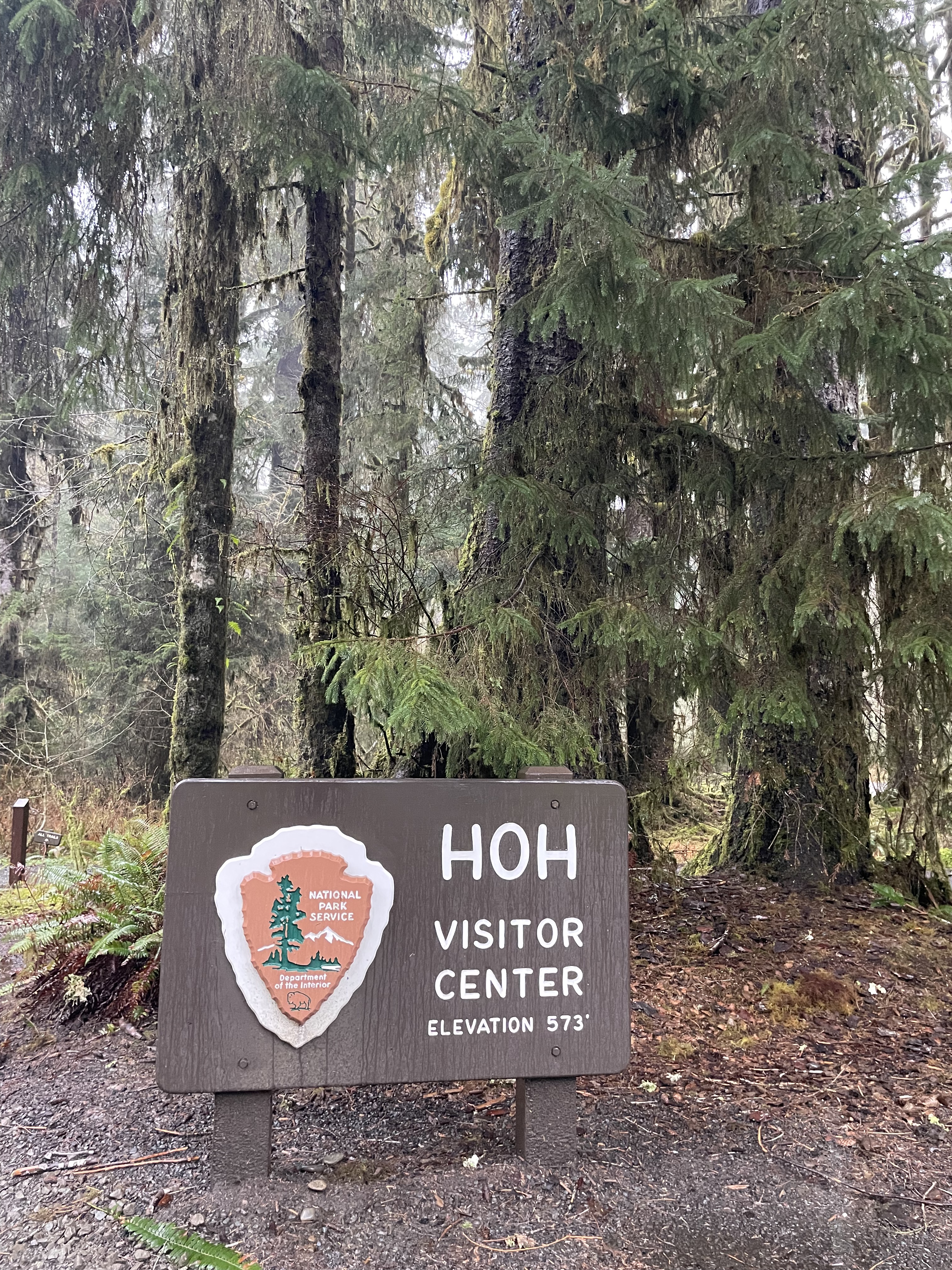
I arrived at the Hoh Visitor Center, which has a nice large parking lot (no doubt very full on summer days). The visitor exhibits were closed for cleaning, and the water fountain was not working, but the toilets were open. I was grateful for that, and that I had packed extra water.
Hall of Mosses Trail
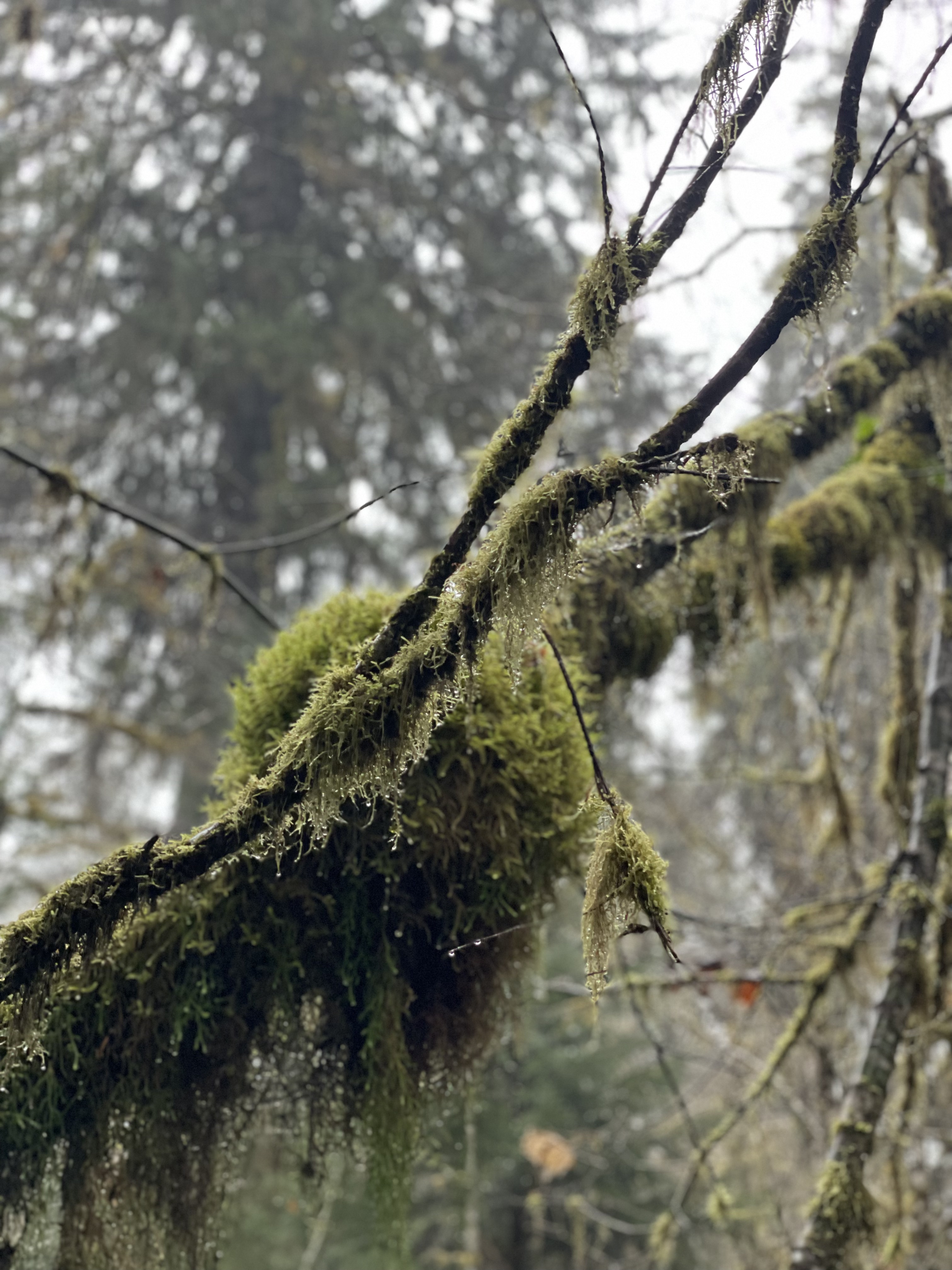
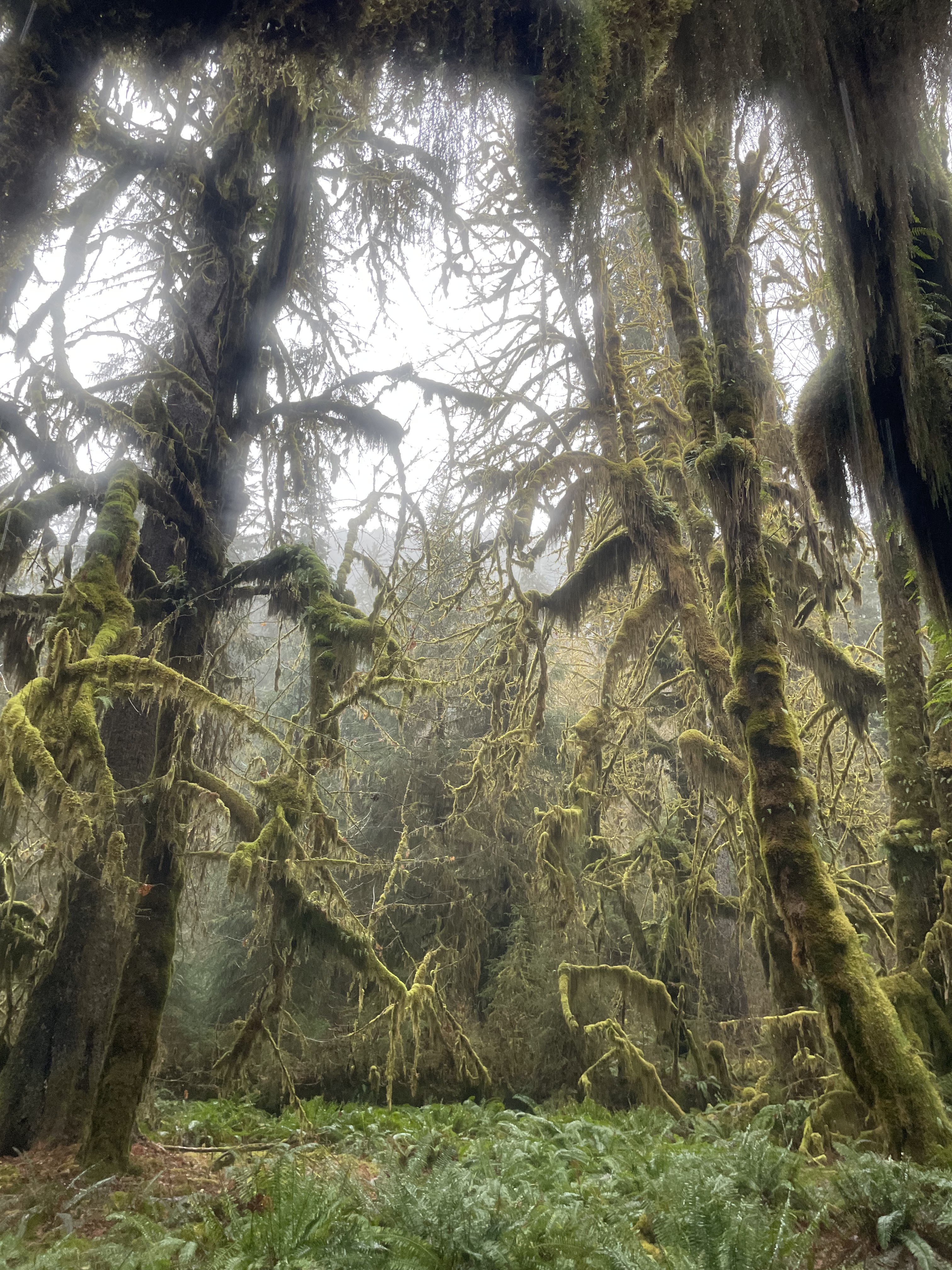
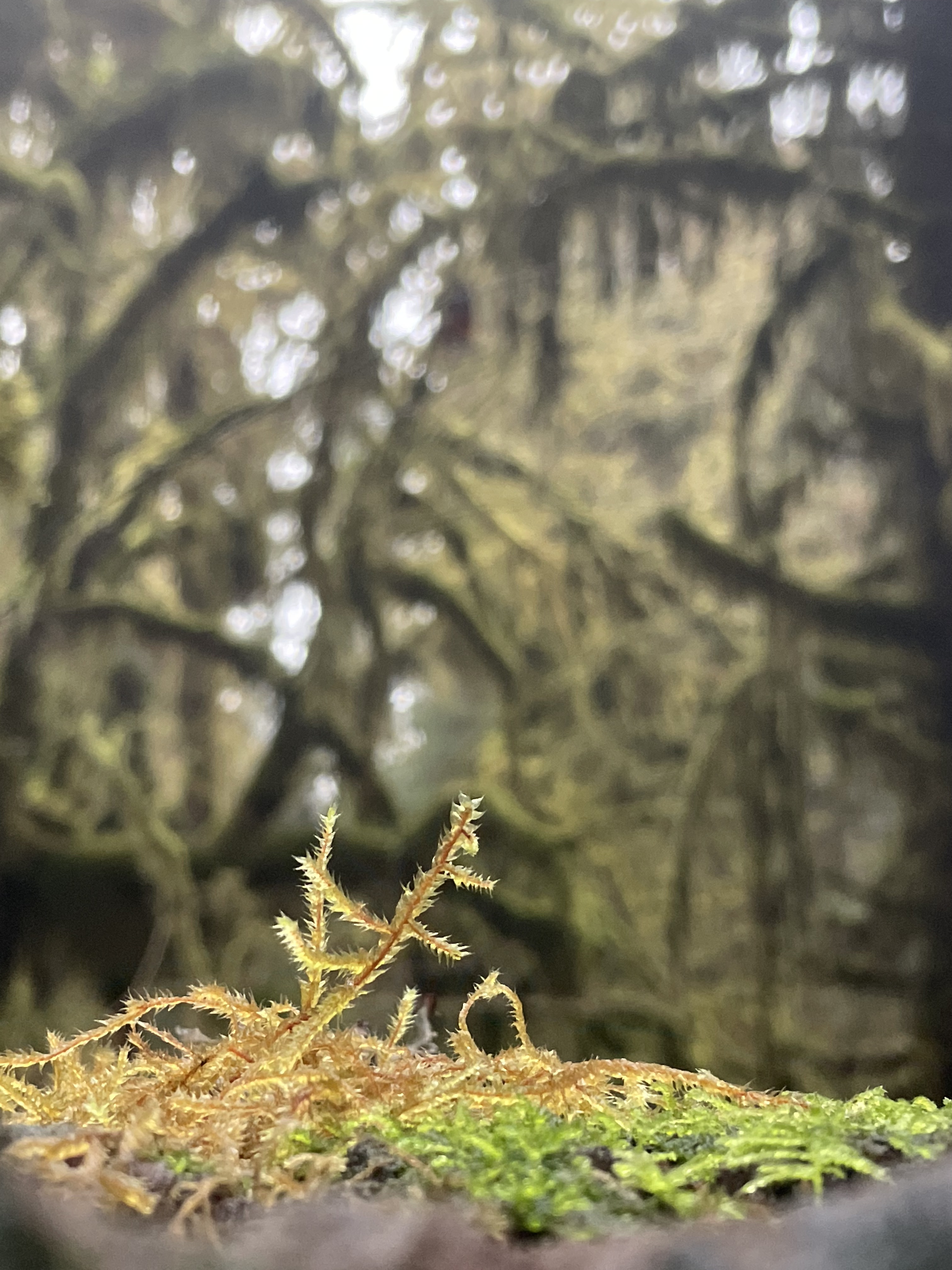
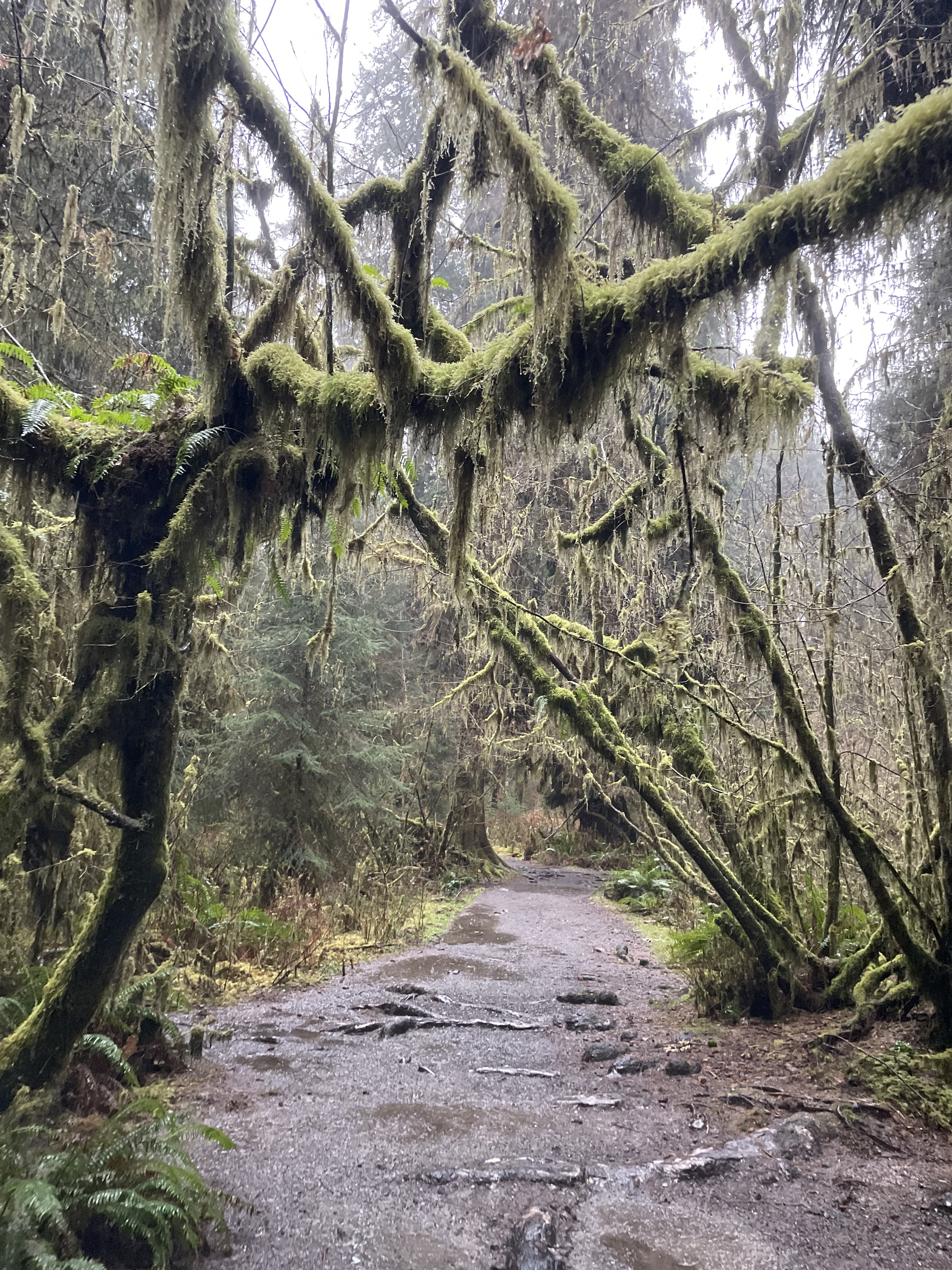
From there, I embarked on a short and mostly flat but awe-inspiring hike on the Hall of Mosses Trail – one of the best ways to view the rainforest’s old growth trees like Douglas Fir and Sitka Spruce, as well as the thick, thriving mosses that coat all of the trees–but especially the big leaf maples, whose hardwood is especially adept at carrying their weight.
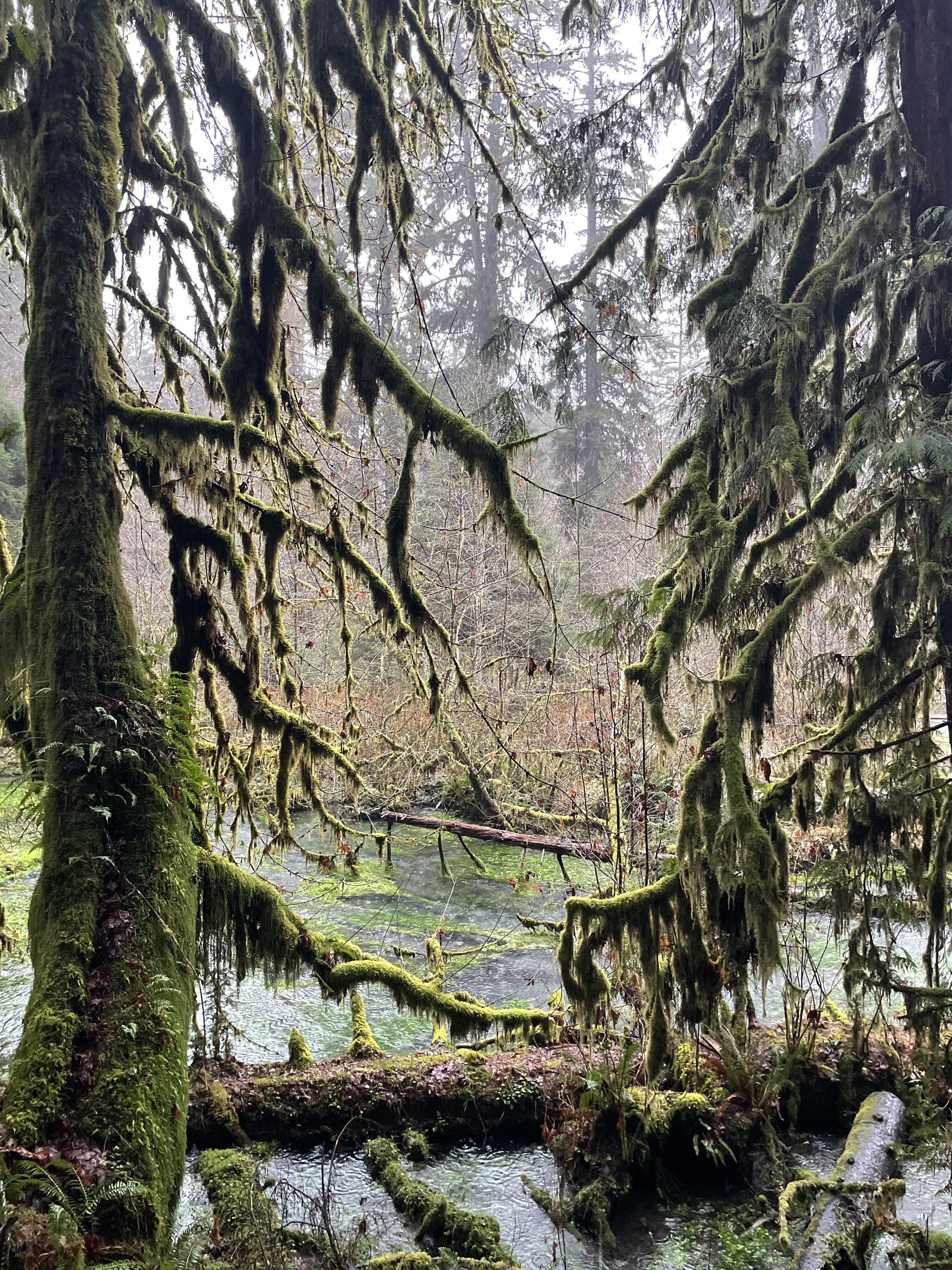
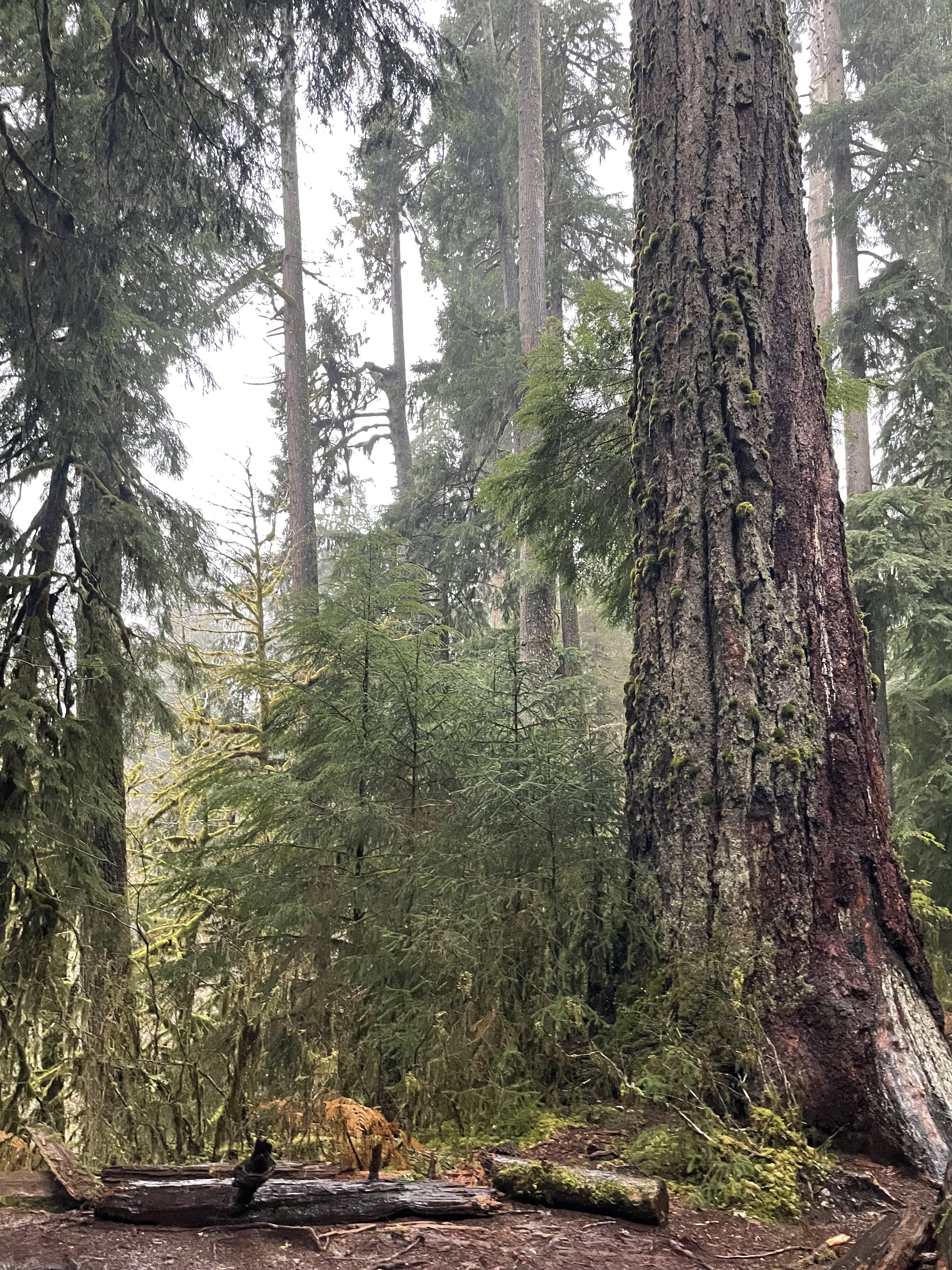
I picked this trail because I knew I would enjoy excellent views, but also remain safe given the hazardous rain conditions. I’m really glad I didn’t attempt anything more strenuous by myself that day, but I’d love to go back in dryer weather to really immerse myself there for hours.
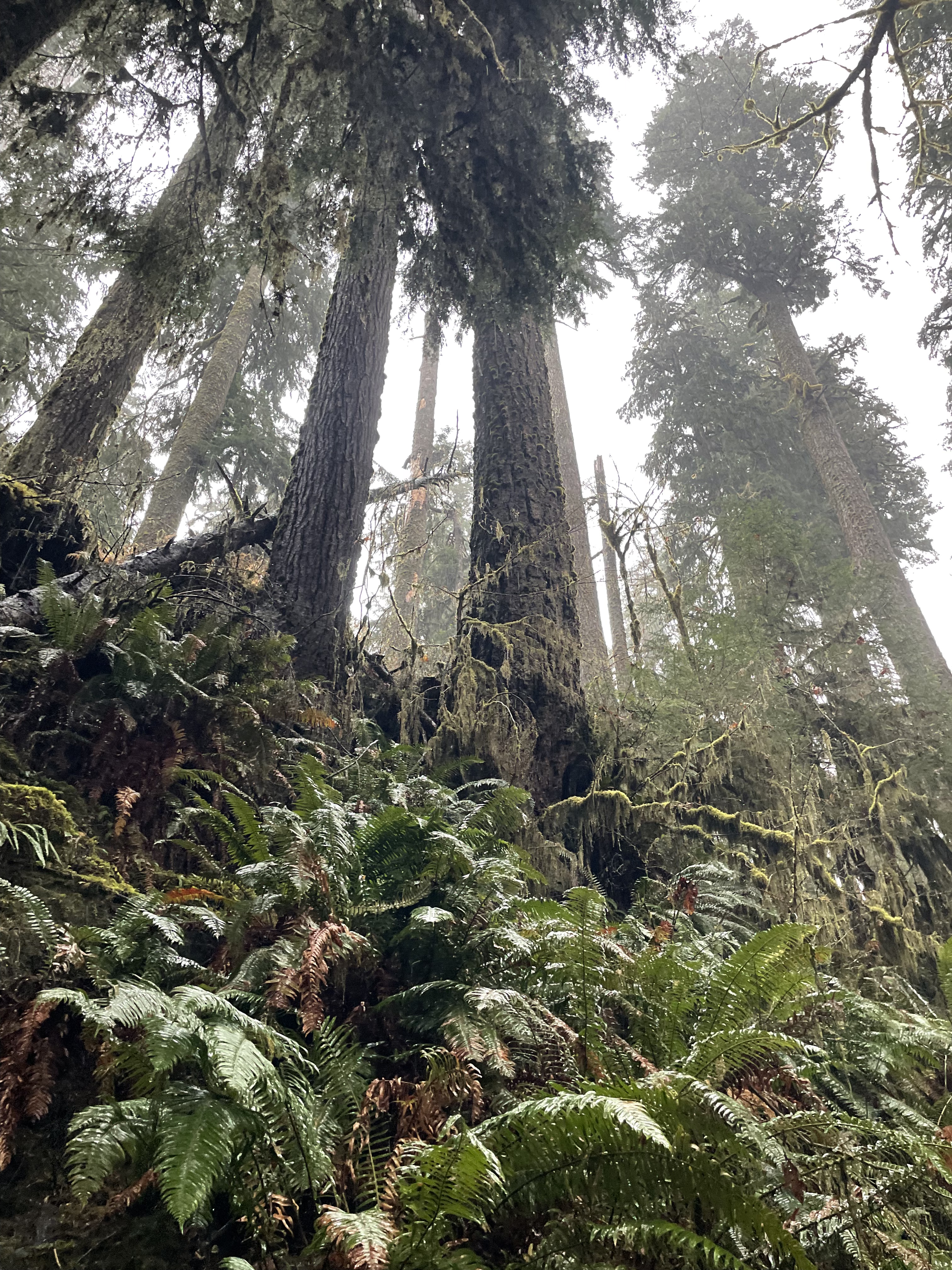
The mosses were incredible. I stepped through puddles and embraced the raindrops on my face as I looked up hundreds of feet at the treetops. It was a majestic experience.
The Drive “Home”
After completing my hike through the Hoh Rainforest, I was beginning to run low on water and phone battery (and my rental car had the wrong kind of USB for my charger).
I made my way back to Highway 101 and Kalaloch Lodge along the coast, where I was helpfully able to:
- Fill up my water
- Grab a sticker and park brochure (which I couldn’t get from the seasonally closed ranger stations)
- Get coffee (and it was good, espresso coffee – something Washington State excels at)
- Buy a car adaptor for my phone charger
Equipped with these refreshments, I had a long (2.5 hour) drive ahead of me back to Hood Canal. But it was light out this time, I was surrounded by gorgeous tall trees, I got to see the ocean again, and I was very happy. And I arrived in time for dinner!
Reflections
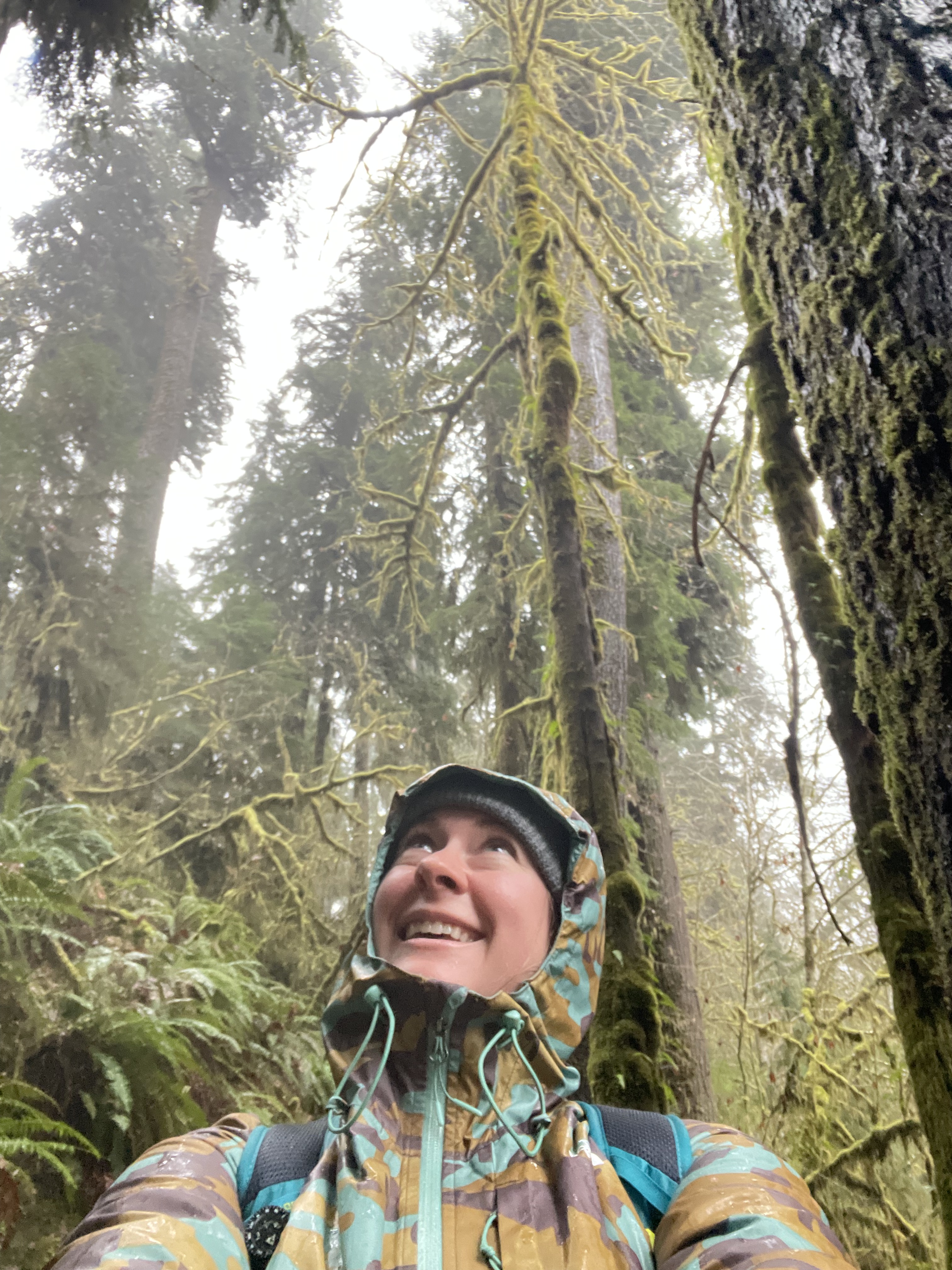
I won’t lie and say this was an easy day. I wouldn’t even say that this day would be everyone’s idea of fun. But to me, the hard parts were worth it because spending uninterrupted time in nature is my idea of fun. And when you have good gear like a raincoat and layers, nature can be enjoyable regardless of the weather!
 Meaghan Webster | Public Affairs
Leave a comment